
"Asterios Polyp," A Masterclass in Comics by David Mazzucchelli
A true comic book masterpiece.
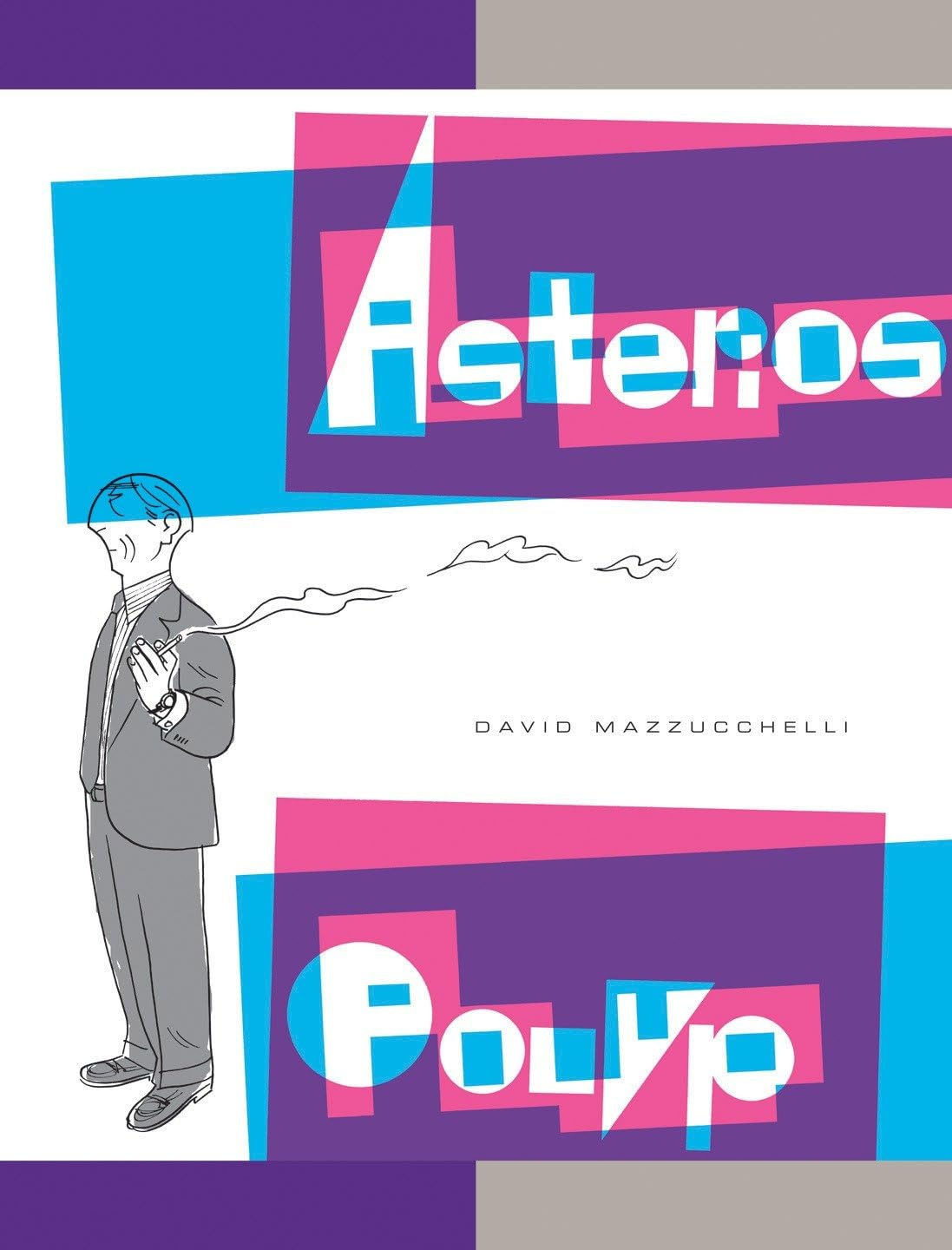
David Mazzucchelli’s name is primarily associated with Frank Miller’s for their celebrated work on Batman: Year One and Daredevil: Born Again, and for good reasons. But as much as I love those comic books or even City of Glass, I think they don’t come close to his graphic novel “Asterios Polyp.”
Originally thought of as a story for his anthology magazine Rubber Blanket, this project grew into a 340-page hardcover book meticulously designed to expand the ideas it contained. It’s the kind of attention to detail that goes with an ambitious comic book.
The story follows Asterios Polyp, a 50-year-old egotistical architect and highly respected professor in academia, though none of his architectural designs have ever been built. After a fire destroys his apartment in New York City, he impulsively leaves town, shedding his past life to work as a mechanic in a small Midwestern town. Far from everything that defined him, he reflects on his past, particularly his failed marriage to Hana, a soft-spoken artist whose worldview directly contrasts his own.
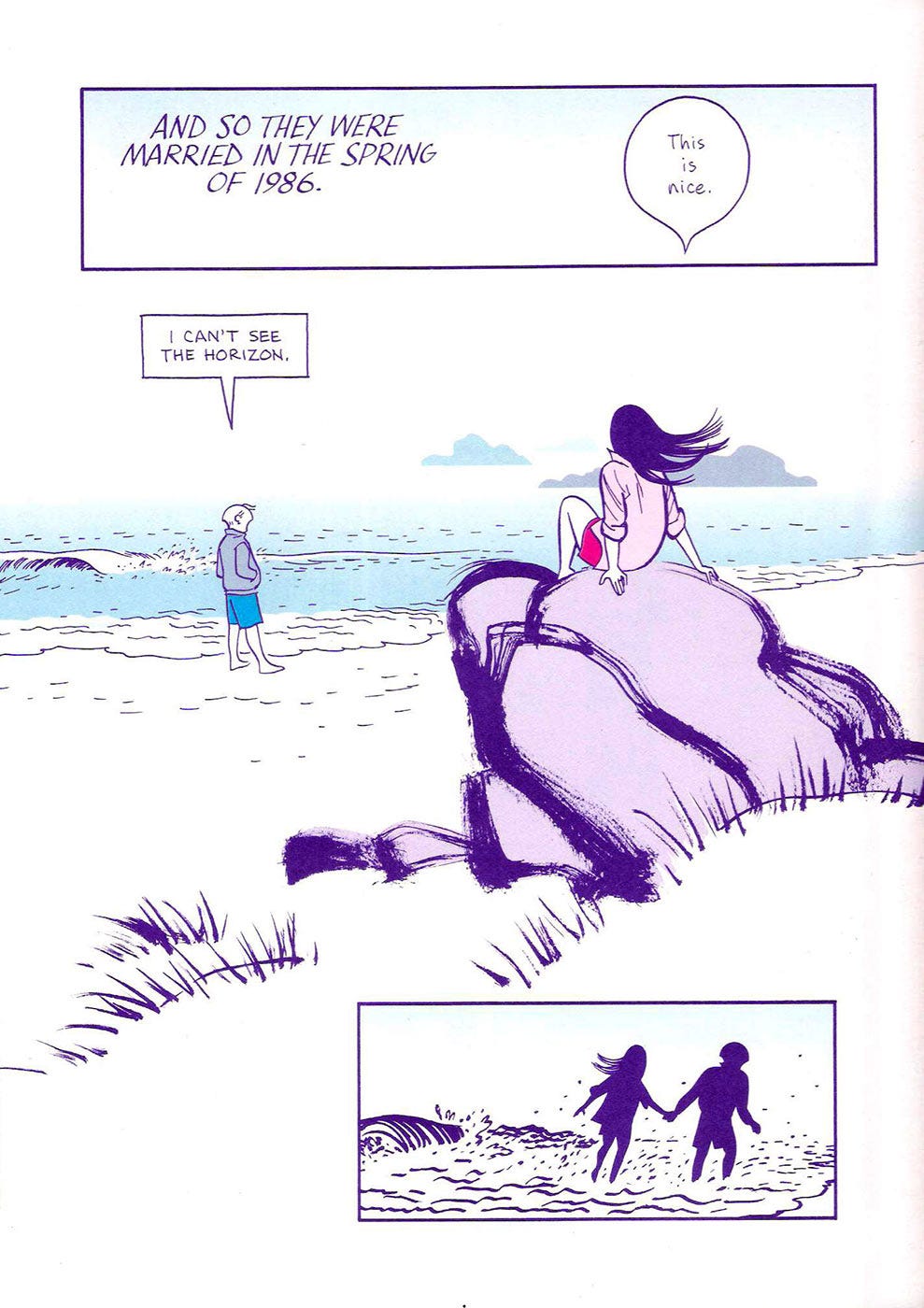
Asterios Polyp had a twin brother, Ignazio, who died at birth (and acts as the narrator of the book). It’s something fundamental for him. It shaped his view of the world, as he sees everything in binary terms. Everything is about logic vs. emotion, Apollonian vs. Dionysian, form vs. function… including his relationships. Hana is emotional, and Asterios is detached. She creates with her hands, he can only put his ideas on paper.
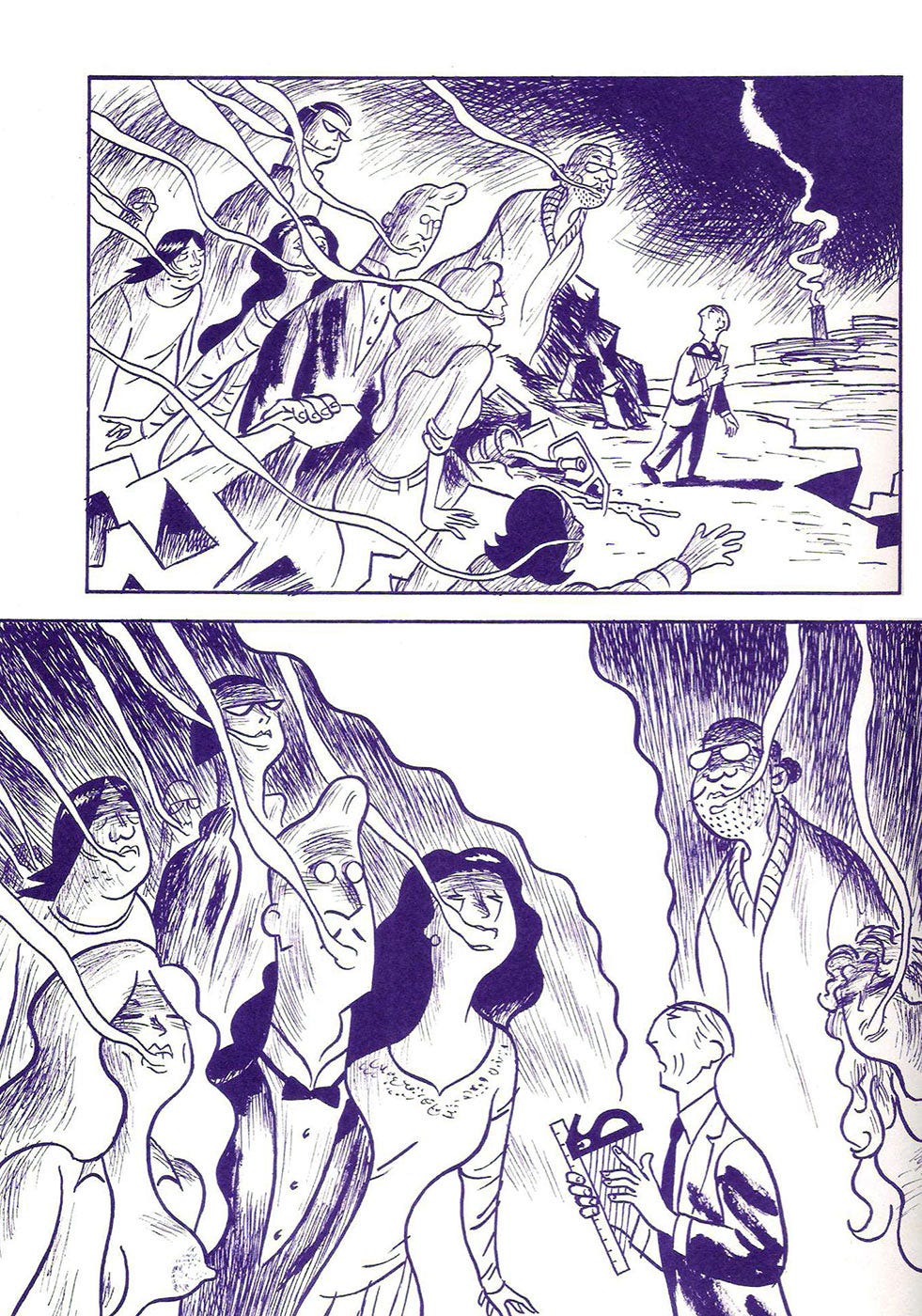
This also plays a part in the way David Mazzucchelli developed the visual part of the book, integrating those dualities into his art, among other things as the artist used every element at his disposition to tell his story, from the typography and lettering reflecting the characters’ moods and personalities to the limited use of colors to reflect the emotions of the page layouts that reflect the tone and emotional states of Asterios and Hana. Every word, line, and color has a purpose.
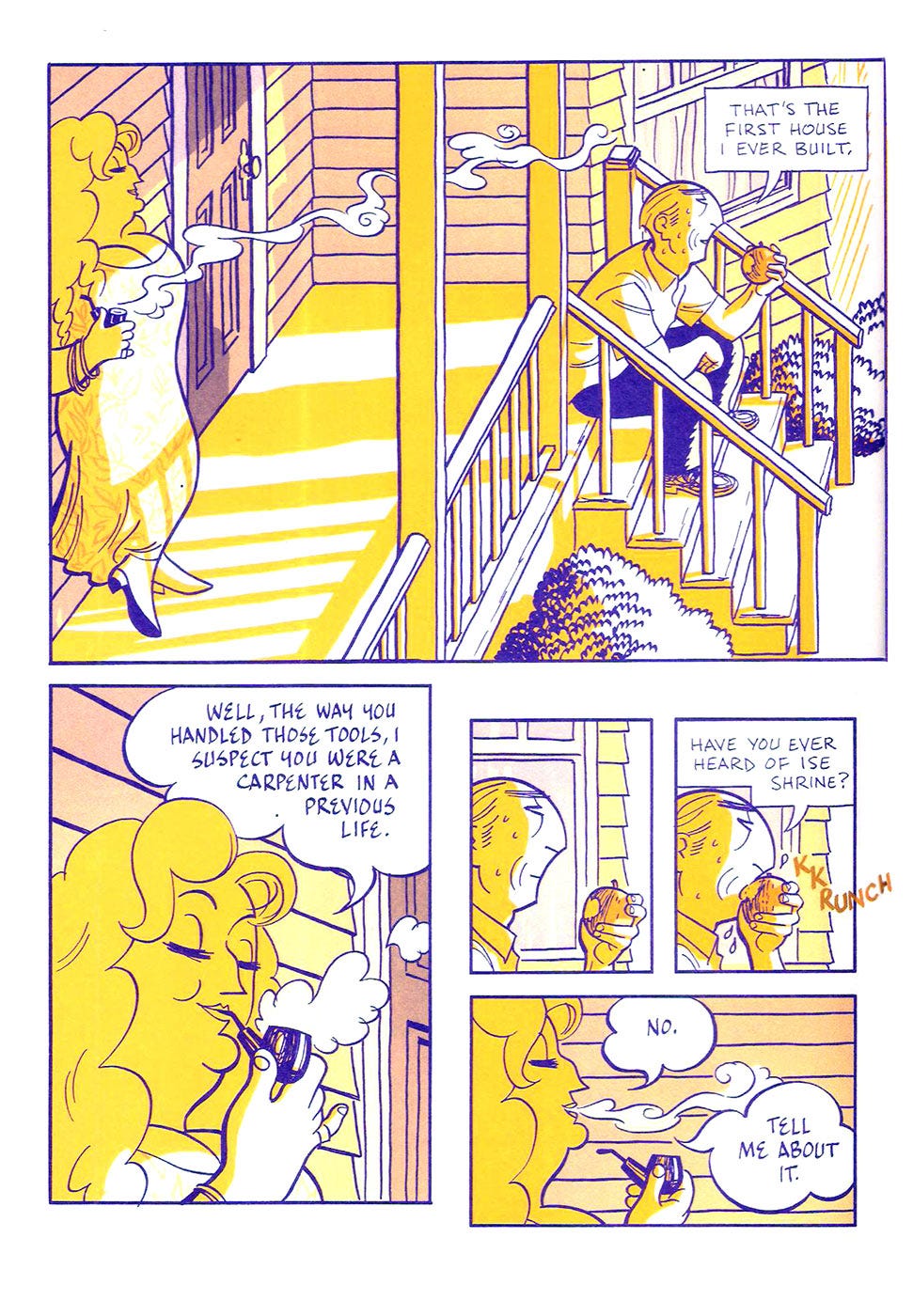
Asterios Polyp feels like the epitome of what a comic book could be as a visual medium. But it is because it has a story to tell. Its concepts and ideas are used to draw us into an introspective exploration of one man’s failings. Following Asterios’s logic, we met him as the opposite of what he was, two versions, two brothers, two different roads. He may not be an easy man to love, but Asterios is still fascinating.
I won’t pretend to understand all of the cultural influences and references or even the philosophical implications going with some of the allusions to Greek Mythology and architecture, but reading Asterios Polyp is still an enriching experience for me. Every time I revisit it, it pushes me to think about myself, but it also reminds me of my love of comics and what the medium can accomplish. For me, few books are as inspiring and captivating on that level.
Asterios Polyp was published in 2009 by Pantheon Books. It has won the 2010 Eisner Awards for best new graphic album, best writer/artist, and best lettering, and the 2010 Harvey Awards for best single issue or story, best graphic album of original work, and best letterer.
Originally published on the That’s Comics! blog, now brought to Substack for a new crowd of comic readers. This is part of an ongoing project to revisit and reshare the best comic pieces from my old site.
Ooh. I didn’t know about this book!